Gondley Consulting
Emailing patients under HIPAA: when plain email is allowed, the safeguards HHS expects, and wording to copy

Ayush Gondley · 30 October 2026 · 5 min read
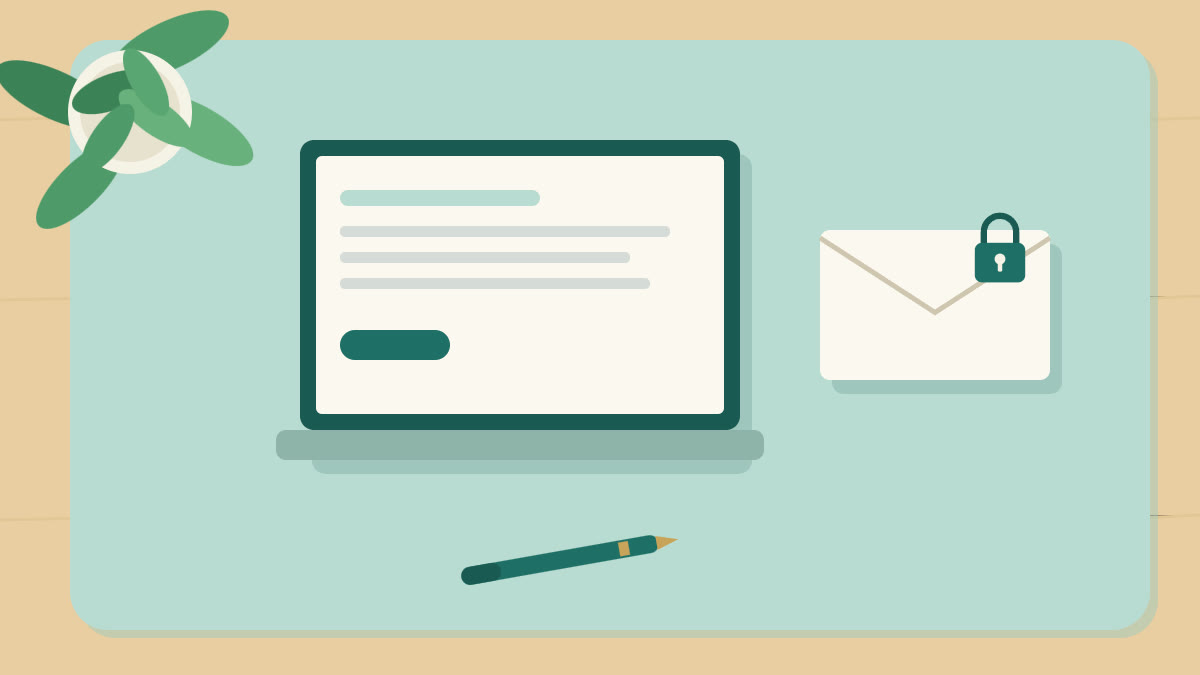
Plain email is allowed with care: the right address, a short message and the patient's choice.
Key takeaways
- HHS says the Privacy Rule allows providers to email patients, provided they apply reasonable safeguards, and does not prohibit unencrypted email for treatment-related messages.
- The safeguards HHS names are practical: check the address before sending, confirm it with a first email, and limit how much each email says.
- Under 45 CFR 164.522(b), a patient can ask to be contacted another way or at another address, and the practice must accommodate reasonable requests without asking why.
- A patient who emails first can be answered by email, unless they say otherwise. If you think they may not know the risks of plain email, tell them and let them choose.
Many small practices avoid email with patients because they think HIPAA forbids it, and then spend the time on phone tag instead. HHS's own answer is more practical: email is allowed with reasonable care, and the patient's preference counts. What a practice needs is a short set of habits and three or four pieces of wording.
What HHS allows
In its answer on email, HHS says the Privacy Rule allows covered health care providers to communicate electronically with patients, such as by email, provided they apply reasonable safeguards, under 45 CFR 164.530(c). It adds that the Privacy Rule does not prohibit unencrypted email for treatment-related communications between providers and patients, as long as other safeguards reasonably protect privacy.1
The same answer reminds practices that electronic health information they send must also meet the HIPAA Security Rule, in 45 CFR Part 164, Subpart C.1 This is a summary, not legal advice, and your own risk assessment decides which messages go by plain email.
The safeguards HHS names
- Check the address. HHS gives checking the email address for accuracy before sending as an example precaution.1
- Confirm it first. HHS also suggests sending an alert to the patient to confirm the address before sending the message itself.1
- Say less. Limit the amount or type of information in an unencrypted email.1 Our recommendation is a simple rule for the team: plain email carries times, reminders, forms and "please call us", and results or diagnoses go through your patient portal or a call.
The patient's choice
Under 45 CFR 164.522(b), a provider must let patients ask to receive communications by other means or at other places, and must accommodate reasonable requests. The provider may ask for the request in writing, but may not require the patient to explain why.2
HHS gives both directions as examples. A patient who asks for appointment reminders by email instead of a postcard should get them by email, if that is reasonable for the practice. A patient who finds plain email unacceptable should be offered something else, such as a more secure electronic method, mail or the phone.1
When the patient emails first
HHS says that when a patient starts an email conversation, the provider can assume email is acceptable to them, unless they have said otherwise. If the provider thinks the patient may not know the risks of unencrypted email, it can tell them and let them decide whether to continue.1 Our recommendation is to do that once, in the first reply, and to record the answer in the chart.
Wording you can copy
Replace the words in brackets. The first goes on your intake form, as in our new patient intake checklist.
On the intake form · the patient's choice, recorded once
How would you like us to contact you about appointments and forms? [ ] Email to: [address] [ ] Text to: [number] [ ] Phone call [ ] Letter. Regular email is not encrypted, so we keep it short and do not send test results by email. You can change your choice at any time.
Confirming the address · before the first real message
Hello [Name], this is [Practice]. You asked us to contact you by email. Please reply YES to confirm this is the right address. If this email reached you by mistake, please let us know and delete it.
The first reply · when a patient emails first
Hello [Name], thank you for your email. We are happy to reply this way. Regular email is not encrypted, so we will keep personal health details out of it. If you would rather we call you or use the patient portal, just say so.
Moving to a safer channel · when the question needs details
Hello [Name], thank you for your question. The answer includes details we do not send by regular email. Please call us on [phone], or log in to the patient portal, where we have left you a message.
Text messages follow similar habits, with their own FCC rules, in our appointment reminder texts guide. Replies to online reviews have stricter limits, covered in our guide to Google reviews.
What can run by itself
- The patient's choice, read from the intake form and saved, so every reminder goes the way they asked.
- The address check, sent automatically the first time an address is added or changed, and nothing else sent until the patient replies.
- Short reminders and forms by email, written to say only what plain email should carry, as in our front desk automation guide.
- A flag on any outgoing email that looks like it contains results or a diagnosis, held for a person to check.
What stays with your team
- What counts as too much for email, which your risk assessment and the clinician decide.
- Answering clinical questions, by phone or the portal.
- A wrong-address email, which needs a person to follow your breach procedure.
More of what we write for practices is on the blog.
Questions practices ask
Does HIPAA allow emailing patients?
Yes. HHS says the Privacy Rule allows providers to email patients, provided they apply reasonable safeguards.
Does email to patients have to be encrypted?
HHS says the Privacy Rule does not prohibit unencrypted email for treatment-related communications, with other safeguards such as limiting what each email says. The Security Rule still applies to electronic health information.
What if a patient emails us first?
HHS says you can assume email is acceptable to them unless they say otherwise. If they may not know the risks of plain email, tell them and let them decide.
Can a patient ask us to stop emailing them?
Yes. Under 45 CFR 164.522(b) patients can ask to be contacted by other means or at other places, and reasonable requests must be accommodated without asking why.
What should never go by plain email?
Our recommendation: test results, diagnoses and anything sensitive. Send times, reminders and forms by email, and the rest through the portal or a call.
Sources
- U.S. Department of Health and Human Services, Does the HIPAA Privacy Rule permit health care providers to use e-mail to discuss health issues and treatment with their patients? (FAQ 570).
- Code of Federal Regulations, 45 CFR 164.522(b), confidential communications requirements.
About the author
Ayush Gondley founded Gondley Consulting, which automates front-desk work for small US medical, therapy and veterinary practices. Before that he was a marine engineer at Maersk, keeping complex systems running at sea. Gondley Consulting on LinkedIn